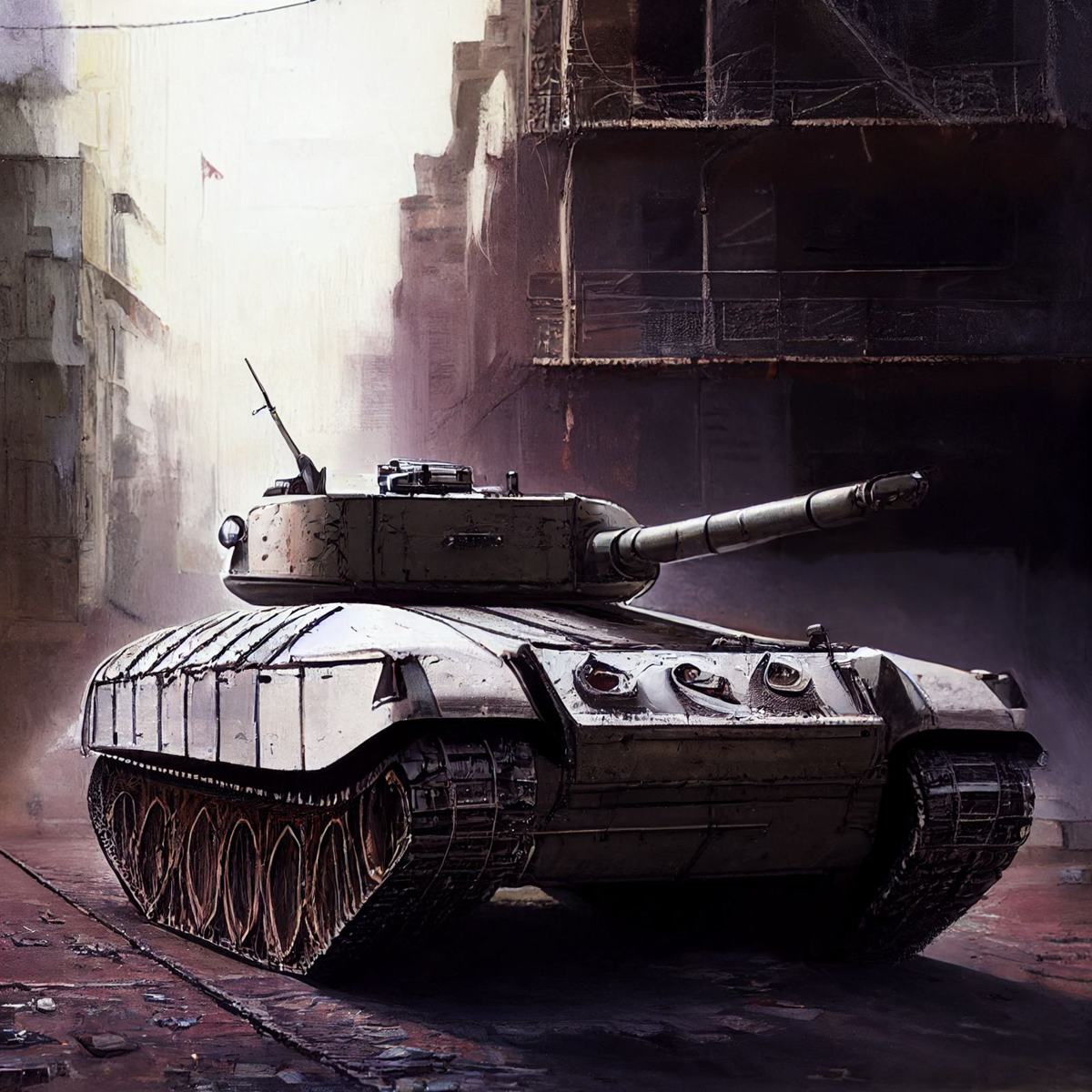
Why a Leopard 3?
The MGCS program was supposed to replace the Leopard 2 around 2035. Delays mean it will not be ready before the 2040s, if at all. Meanwhile, the German Army's requirement for tanks has grown sharply: in 2025 it was reported at around 1,000 additional tanks across Leopard 2A8, Leopard 3 and eventually MGCS. A Leopard 3 bridges that gap using proven components.
What it is expected to have
- A 130 mm gun. Reported as the Rheinmetall Rh-130 L/51, with roughly 50% more muzzle energy than today's 120 mm gun, plus new ammunition.
- An unmanned turret with an autoloader. The crew of three would sit in the better-protected hull.
- A new engine to cope with the extra weight.
- Hard-kill and soft-kill protection against anti-tank missiles and drones, including Hensoldt countermeasure systems.
Who is building it
KNDS Deutschland (maker of the Leopard 2), Rheinmetall (gun and ammunition) and Hensoldt (sensors and protection) are involved. KNDS's Leopard 2A-RC 3.0 demonstrator, with a remote-controlled turret and the crew in the hull, previewed many of the same ideas.
Timeline
| Early 2025 | Development begins |
| July 2025 | German Army tank requirement reported at about 1,000 additional tanks |
| Late 2020s | Prototypes and testing (expected) |
| Early 2030s | Production expected to start |
Details are based on public reporting and may change as the program matures.
Frequently asked questions
Is the Leopard 3 real?
Yes. Germany began development in 2025, based on the Leopard 2A8, with production expected in the early 2030s.
Will the Leopard 3 have a 130 mm gun?
That is the reported plan, using a Rheinmetall 130 mm gun with an autoloader.
Is the Leopard 3 the same as MGCS?
No. The Leopard 3 is an interim tank; MGCS is the separate long-term Franco-German program.